Choosing the Best Air Conditioner Replacement: A Comprehensive Guide
As the need for air conditioner replacement arises, it’s crucial to understand the key factors, types of units available, installation process, and maintenance tips to ensure optimal performance. This guide delves into every aspect of air conditioner replacement, offering valuable insights to help you make informed decisions.

When it comes to deciding whether to replace your air conditioner, there are several key factors to take into consideration.Age of the current unit:One important factor to consider is the age of your current air conditioner. Typically, air conditioners have a lifespan of around 10-15 years.
If your unit is approaching or has surpassed this age range, it may be a good time to start thinking about replacing it.Efficiency ratings:Another crucial factor to consider is the efficiency ratings of your current air conditioner. Newer models are often much more energy-efficient than older ones, which can result in significant cost savings on your energy bills.
If your current unit has a low efficiency rating, it might be worth investing in a new, more efficient model.Cost of repairs vs. cost of a new air conditioner:Lastly, you’ll want to weigh the cost of repairs against the cost of purchasing a new air conditioner.
If your current unit is constantly breaking down and requiring costly repairs, it may be more cost-effective in the long run to invest in a new air conditioner rather than continuing to pour money into an older, less reliable unit.
When considering whether to repair or replace your air conditioner, it’s essential to compare the costs involved. Here are some key points to keep in mind:
Repair costs can add up quickly, especially if your air conditioner is older and requires frequent repairs. It’s important to consider whether the cost of repairs is worth it in the long run.
While the upfront cost of purchasing a new air conditioner may seem high, it’s essential to factor in the potential energy savings and increased efficiency that a newer model can provide.
By investing in a new, more energy-efficient air conditioner, you can potentially save money in the long run on your energy bills and avoid costly repairs associated with older units.
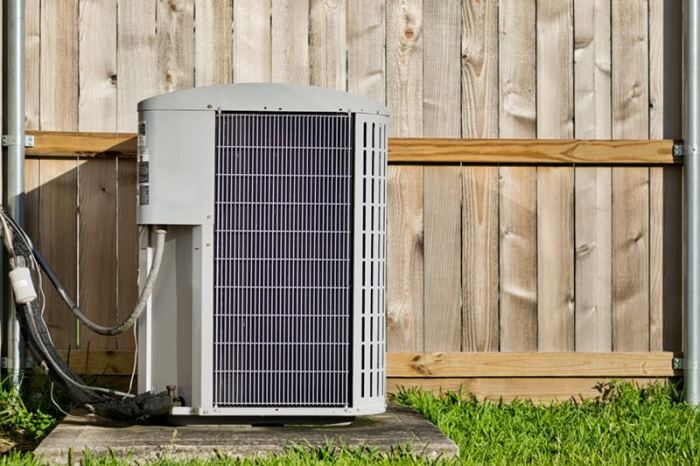
When it comes to replacing your air conditioner, it’s important to consider the different types of units available on the market. Each type has its own set of pros and cons, so it’s essential to choose the one that best suits your living space and cooling needs.
Central air conditioning systems are popular for larger homes or buildings. They provide consistent cooling throughout the space and are controlled by a thermostat. However, the installation can be costly, and you may lose cooling in specific areas if the ductwork is not properly installed or maintained.
Ductless mini-split systems are great for smaller spaces or rooms that need individual temperature control. They are energy-efficient and easy to install since they don’t require ductwork. However, they can be more expensive upfront compared to other types of units.
Portable air conditioners are suitable for smaller living spaces or apartments. They are easy to move around and do not require permanent installation. However, they may not be as powerful as central air systems and can be noisy.
Window air conditioners are cost-effective and easy to install in most windows. They are suitable for cooling individual rooms but may not be as efficient as central air systems. Additionally, they can obstruct natural light and views from the window.Each type of air conditioner unit has its own advantages and disadvantages, so it’s essential to consider your specific needs and living space before making a decision on which type to replace your old unit with.

When it comes to replacing an air conditioner unit, the installation process is crucial to ensure optimal performance and efficiency. Proper installation can also prolong the lifespan of the new unit and prevent any potential issues in the future.Before diving into the installation process, it’s important to consider the steps involved in removing the old air conditioner unit.
This includes disconnecting the power supply, removing the old unit from the wall or window, and safely disposing of any refrigerant in compliance with environmental regulations.

Regular maintenance is crucial for keeping your newly replaced air conditioner in top condition. Not only does it help ensure optimal performance, but it also extends the lifespan of the unit. By following a maintenance schedule and being proactive in addressing any issues that may arise, you can enjoy the benefits of a properly functioning air conditioner for years to come.
Regular maintenance can help prevent costly repairs and breakdowns, improve energy efficiency, and ensure optimal indoor air quality.

In conclusion, navigating the realm of air conditioner replacement can be daunting, but armed with the knowledge provided in this guide, you’re well-equipped to tackle the task with confidence. Remember, a well-maintained air conditioner can make all the difference in keeping your living spaces comfortable and cool.
When should I consider replacing my air conditioner?
If your current unit is over 10-15 years old, requires frequent repairs, and has poor energy efficiency, it’s time to consider a replacement.
What are the benefits of professional installation over DIY?
Professional installation ensures proper setup, reduces the risk of errors, and often comes with warranties to protect your investment.
How can regular maintenance prolong the lifespan of my new air conditioner?
Regular maintenance such as cleaning or replacing filters, checking refrigerant levels, and inspecting for leaks can prevent major issues and extend the unit’s lifespan.
What are some common issues that may arise post-replacement?
Common issues include incorrect sizing, improper installation, or ductwork problems. These can lead to inefficiency, uneven cooling, or frequent breakdowns.